Precision ground anchoring for shoreline stabilization, retaining structures, and marine projects across Whidbey Island and Northwest Washington.
Permanent Shoreline &
Slope Stabilization Solutions
Engineered Anchoring for the Toughest Coastal Conditions
Steep slopes, unstable shorelines, retaining walls, and difficult marine environments require proven stabilization systems. Sound Slope & Shoreline installs engineered Manta Ray and Helical Anchor systems that provide long-term support with minimal site disturbance, making them ideal for challenging coastal projects throughout Northwest Washington.
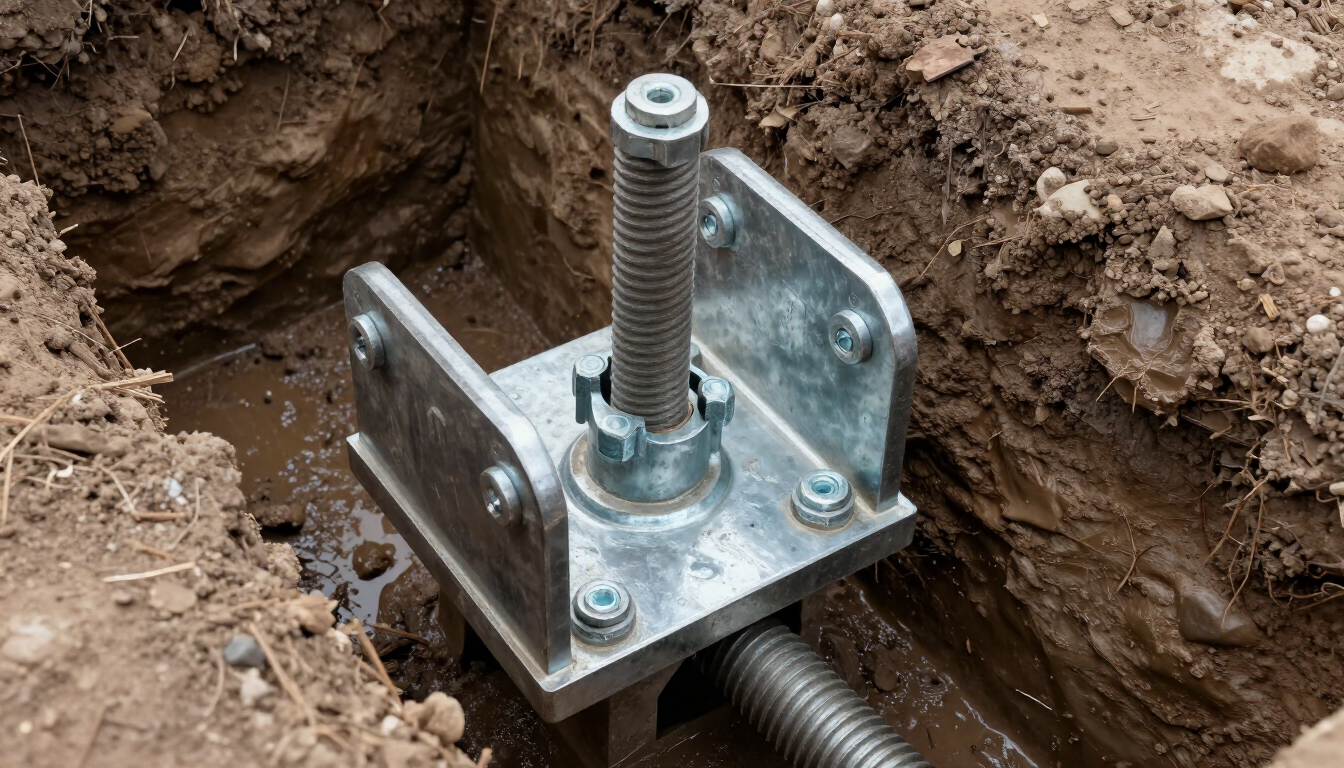
Manta Ray anchors are driven earth anchors. A steel rod drives a folded wing-tip plate to depth, then the plate rotates 90° under load to create a mechanical deadman anchor in soil or rock. No drilling or grouting is required, allowing for fast installation even in confined or water-accessed sites.
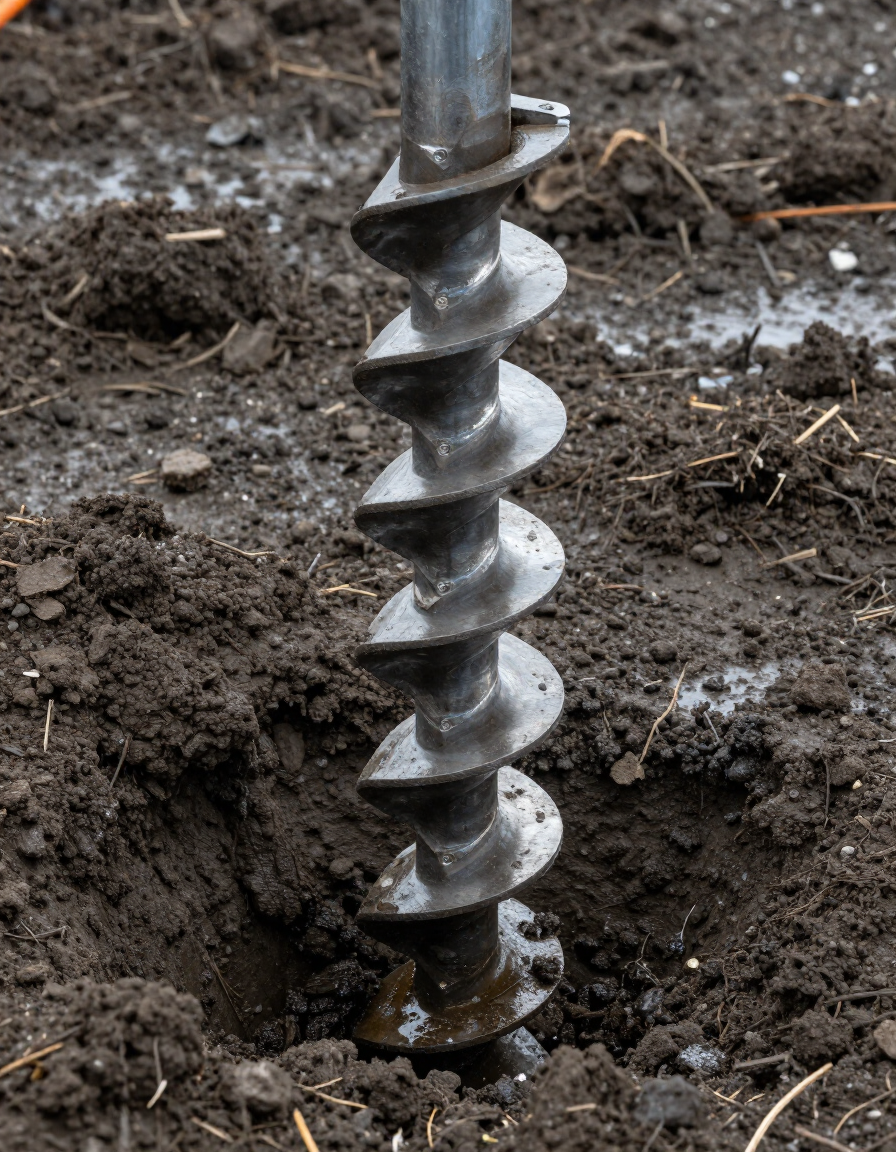
Helical anchors (also called screw anchors or helical piles) are installed by rotating a steel shaft into the ground using hydraulic torque equipment. Their predictable load capacity and engineered performance make them ideal for retaining walls, tiebacks, and structural stabilization.
Manta Ray vs. Helical Anchors:
Choosing the Right System
Every project is different. Soil conditions, load requirements, site access, and environmental factors all determine which anchoring system will perform best. Here’s a side-by-side comparison of the two most common solutions we install.
Comparison Criteria
Installation Method
Load Capacity
Soil Suitability
Ideal Applications
best for
Manta Ray Anchors
Driven with a pneumatic or hydraulic hammer; plate locks at depth under load. No rotation equipment required.
High tensile (pulling) loads; rated capacity confirmed by pull-test.
Cohesive soils, soft-to-medium clays, dense sands; not ideal in loose gravel or cobble.
Bulkhead tiebacks, retaining wall deadman anchors, slope netting anchors, and utility anchoring where speed of installation is critical.
Fast installation, minimal equipment footprint, barge-deployable.
Helical Anchors
Rotated into soil with hydraulic torque motor; installation torque directly correlates to load capacity.
Both tensile and compressive loads; capacity verified in real time from torque readings.
Wide range: soft soils to dense sands and gravels; multiple helix plates allow capacity tuning to soil profile.
Retaining wall tiebacks, dock foundation piles, slope stabilization pins, and any application requiring verified real-time capacity data.
Predictable, engineer-verifiable capacity; suits complex engineered designs.
Engineered Applications
Manta Ray and Helical Anchor systems provide engineered solutions where conventional concrete deadman anchors or driven piles are impractical due to access limitations, soil conditions, or environmental constraints. Sound Slope & Shoreline installs both systems for a wide range of shoreline and marine applications throughout Northwest Washington.
Retaining Wall Tiebacks
Anchor tieback rods through soldier pile or timber retaining walls into stable bearing soil behind a slope, counteracting lateral earth pressure without large excavation.
Bulkhead & Seawall Anchoring
Tieback anchors resist hydrostatic and wave-load forces on marine bulkheads, extending their service life and reducing deflection.
Slope Stabilization
Pin anchors through geogrid, erosion mat, or rock facing to lock unstable soil layers to a competent bearing stratum on coastal bluffs.
Dock & Marine Structure Tiebacks
Anchor dock frames, gangway anchor points, and floating dock anchor lines to the seabed or shore in waterfront environments.
Utility Line Anchoring
Anchor HDPE outfall lines, storm drain outlets, and utility conduit runs against uplift and lateral movement in saturated or sloped terrain.
Deadman Anchors for Guy-Wires & Cables
Provide deep-set deadman anchors for cable stays, crane pads, and temporary or permanent guy-wire anchorage on steep waterfront construction sites.
Frequently Asked Questions About Anchor Installation
The following questions address the technical and regulatory topics most commonly raised by engineers, contractors, and property owners evaluating Manta Ray or helical anchor systems for waterfront and slope projects.
How is load capacity determined for Manta Ray anchors?
Manta Ray anchor capacity is verified through field pull-testing after installation. A hydraulic jack applies incremental tensile load to the installed anchor rod while deflection is measured. Results are compared against the design load and manufacturer rated capacity tables. Pull-test data can be provided to the engineer of record.
How is helical anchor capacity verified during installation?
Helical anchor capacity is correlated directly to installation torque. The torque-to-capacity relationship is established by the anchor manufacturer and validated by empirical testing. Our installation equipment records torque in real time, providing a continuous capacity log that is delivered to the project engineer on request.
What are the corrosion protection options for anchors in marine soils?
Marine and coastal soils are highly corrosive environments. Manta Ray anchors and helical anchor shafts can be specified in hot-dip galvanized steel or stainless steel for marine exposure. Sacrificial anode protection and epoxy coating are additional options depending on soil pH, chloride content, and design service life. We work with project engineers to select the appropriate protection specification.
What installation torque specifications do helical anchors require?
Required installation torque varies by anchor diameter, helix count, and design load. Standard 1.5-inch round-shaft helical anchors typically achieve working loads of 25-75 kips depending on torque achieved and the torque correlation factor (Kt) for the anchor series. Large-diameter square-shaft anchors extend capacity further. Installation torque targets are set by the project engineer prior to mobilization.
Do these anchor systems require environmental permits on Whidbey Island?
Work below the ordinary high water mark (OHWM) on tidelands and in navigable waters generally requires a Hydraulic Project Approval (HPA) from WDFW and may require a Corps of Engineers Section 404/10 permit. Ground anchor work on upland slopes above OHWM is typically exempt from these permits but may require a shoreline substantial development permit depending on proximity to the water. We advise clients to work with a licensed civil engineer or environmental consultant to confirm permit requirements for their specific project location.
Can anchors be installed from a barge or in water-access-only locations?
Yes. Both Manta Ray and helical anchor systems can be installed using compact hydraulic equipment mounted on a barge or work float. Sound Slope and Shoreline operates barge and marine construction equipment capable of reaching sites with no road access, making these anchor systems practical for remote Puget Sound waterfront properties.
Title or Question
Describe the item or answer the question so that site visitors who are interested get more information. You can emphasize this text with bullets, italics or bold, and add links.Title or Question
Describe the item or answer the question so that site visitors who are interested get more information. You can emphasize this text with bullets, italics or bold, and add links.Title or Question
Describe the item or answer the question so that site visitors who are interested get more information. You can emphasize this text with bullets, italics or bold, and add links.
Let's Discuss Your Shoreline Project
Whether you are an engineer specifying tieback anchors for a retaining structure, a contractor seeking a certified installation subcontractor, or a property owner facing slope or shoreline stabilization challenges, Sound Slope and Shoreline has the equipment, certification, and field experience to deliver. Contact us to review your project scope, soil conditions, and design loads — we will recommend the right anchor system and provide a detailed project proposal.